Are You Earning Up to Your Potential?
Most personal trainers are undervaluing their time and skills. Our Personal trainer Revenue Calculator helps you find out what you should be making, and how to get there.
No guesswork. Just real numbers.
.webp)
What is the Paleo diet, and what does the term Paleo mean?
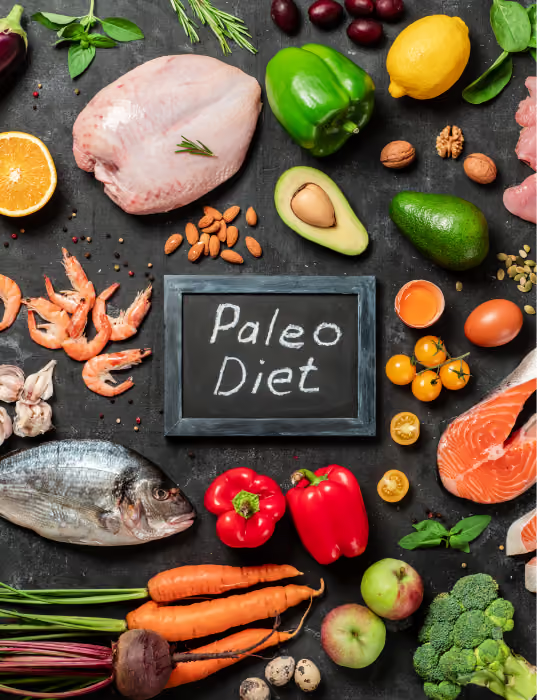
The paleo diet is one of the most debatable diets in the current era. It is also known as the paleolithic diet or the caveman diet. It is primarily based on the food pattern of early man or the hunter-gatherer of prehistoric times, before the evolution of modern farming methods.

Paleo diet food list
People who follow the paleo diet consume the following categories of food:
- Fruits
- Vegetables
- Lean meat, particularly grass-fed
- Seeds
- Nuts
- Eggs
- Herbal tea
- Healthy oils
The diet also restricts certain food items, including:
- Salt
- Refined sugar
- Dairy products
- Milk
- Legumes, including peanuts, peas, and beans
- Artificial food
- Processed food
- Soft drinks
- Potatoes
- Grains, including wheat, oats, and rice
💪 Got an idea for a brand? Let's bring it to life.
Launch your own fitness app with FitBudd in minutes!

💪 Got your brand name? Let’s bring it to life.
Launch your own fitness app with FitBudd in minutes!



88% trainers worldwide gave us 5 stars
Transform your fitness business with the power of your branded app on iOS and Android.
Try for FREEMost dieticians and health experts have strictly criticized the paleo diet because it denounces two of the main components of a healthy diet - grains and dairy. Moreover, according to them, it's one of the most challenging diets due to its overly restrictive nature.

The alleged benefits of the Paleo diet
The loyalists of the paleo diet claim that such an eating pattern is healthy, but there is no concrete evidence that the man of prehistoric times did not suffer from the health issues of the current times. Paleo diet supporters also believe that the shift from the caveman diet to the agricultural diet increased instances of chronic diseases such as obesity, heart disease, and diabetes.
According to the Paleo definition, humans are not genetically synchronized to consume foods produced due to modern agricultural methods, which makes it necessary for us to follow the food pattern of our ancestors.

Here are some of the alleged health benefits of the paleolithic diet:
- Reduced cholesterol levels
- Normal blood pressure
- Weight loss and inch loss
- Improved glycemic control
- Gut health
- Improved satiety
- Better sleeping pattern
- No inflammation
Paleo meals strictly abhor the modern processed food culture and foods rich in sodium, which is the root cause of various health issues. In contrast, shifting to a diet that includes fresh fruits and vegetables can certainly benefit an individual's overall health. In addition, many people who followed the paleo diet reported multiple health benefits mentioned above.
However, the question remains, though the paleo diet is a healthy eating pattern, is it necessary to strictly avoid eating all kinds of grains and dairy products? Let us understand it from the perspective of science!
What does science say about the paleo diet?
Over the years, scientists and health experts have studied the potential benefits of the paleo diet and tried to figure out whether an individual can take it up as a long-term diet or not.
Even research found that specific short-term health improvements are possible when a person follows the paleo diet. Some of the benefits are:
- Reduced waist size
- Normal triglyceride levels
- Normal blood pressure
- High levels of good cholesterol
- Improved blood sugar levels
A paleolithic diet is an excellent option and a great practice for those seeking to lose weight and control obesity. From this perspective, it won't be wrong to state that the paleo diet can significantly minimize the risk of chronic diseases triggered due to excessive weight.
The risks of the paleo diet

- Nutritional deficiency: Experts claim that the paleo diet is healthy as it reduces the risk of obesity and various other health issues it brings. However, cutting down on two essential parts of a healthy diet (grains and dairy) can cause nutritional deficiencies and a weak immune system, thus, increasing the risk of long-term health problems.
- Bone Health: With no dairy intake, one will likely suffer from compromised bone health. Milk and dairy products are rich sources of calcium and vitamin D, and eliminating this from your daily diet is likely to lead to severe bone diseases such as osteoporosis, arthritis, and bone fractures.
Also, if you cut down on legumes and beans, you are cutting down on two of the most significant sources of plant-based protein, fiber, and minerals. These food groups are also known to lower cholesterol and improve satiety. Therefore, eliminating these two food groups will likely cause high nutritional deficiencies.
Further, health experts also challenge the theory that the paleo diet helps improve gut health. According to a few recent studies, people who follow the paleo diet have multiple gut microbiota and increased trimethylamine N-oxide levels, which link to heart diseases.
Therefore, it is concluded that high-fiber foods such as legumes and grains are highly responsible for maintaining gut health and reducing the risk of cardiovascular diseases.
The paleo diet favors eating a lot of meat; thus, most people indulge in mindless meat eating. Unfortunately, excessive intake of red meat triggers chronic diseases. Excess animal protein is likely to raise insulin levels leading to high risks of diabetes, cancer, kidney damage, and early mortality.
According to modern-day researchers, the paleo diet is overhyped, unhealthy, and under-researched. Moreover, adhering to it for the long term isn't everybody's cup of tea. Therefore, practical science is strictly against this diet.

Conclusion
The paleo diet seems ideal for folks experiencing health problems and who want to minimize the intake of food items restricted in this diet. Otherwise, there is no superiority proven of the paleo diet over other diets, be it the Keto diet, Mediterranean diet, or any other.
A proper diet ideally incorporates the right balance of food items from different groups ensuring an individual's overall health. According to experts, one should follow a diet rich in lean proteins, whole grains, fruits, vegetables, legumes, and dairy. The proportion must be appropriate to ensure your health doesn't get compromised. It’s always a good practice to consult a nutritionist or a doctor before initiating any specific diet plan and tools like FitBudd nutrition coaching software can help track food choices, ensure nutrient balance, and follow structured plans under professional guidance.
Have you followed Keto or any other diet plan in the past to maintain your health and fitness? For how long did you consistently follow the plan? Feel free to share your journey and experience in the comments below.


Meet the author
FitBudd
Empowering coaches and trainers to thrive, FitBudd is the ultimate personal training software for accelerated business growth.
Frequently Asked Questions

Yangzey Sherpa leads content strategy at FitBudd, overseeing content planning and execution across fitness-focused digital channels. With over five years of experience in SEO and content, she works closely with the fitness industry to ensure content aligns with the needs of coaches, trainers, and gym owners. Her role keeps her deeply connected to fitness business workflows, coaching models, and how professionals use digital platforms to grow.


Apra Pathak has worked closely within the fitness niche for several years, supporting personal trainers and fitness coaches through content and digital marketing initiatives. Her experience centers on understanding how fitness professionals build visibility, communicate value, and engage clients online. Through sustained involvement with fitness-focused platforms and audiences, she has developed a strong understanding of the digital needs and growth challenges faced by modern fitness businesses.

Aishwarya Mehra has been actively involved in fitness-focused digital marketing, working closely with brands and platforms that serve coaches, trainers, and fitness businesses. Her experience spans engagement-driven strategies designed specifically for fitness audiences. Through ongoing exposure to fitness campaigns and communities, she remains closely aligned with how fitness professionals attract, convert, and retain clients in digital environments.

Suchandra Das has contributed content within the fitness niche, working on resources designed for coaches, trainers, and fitness business owners. Her experience involves supporting fitness-related topics with clear, structured, and accessible content. Through consistent involvement with fitness-focused platforms, she has developed familiarity with coaching workflows, client communication, and the informational needs of fitness professionals.
FitBudd is a fitness technology platform built exclusively for coaches, personal trainers, gym owners, and fitness professionals. The platform supports fitness businesses through branded apps, white-labeled solutions, and websites designed around real coaching and training workflows. FitBudd works closely with the global fitness community, maintaining deep, ongoing involvement in the fitness industry.

Ankit Uniyal has worked extensively with fitness-focused content, supporting platforms that cater to personal trainers, gym owners, and fitness professionals. His experience includes optimizing and structuring content around fitness-related search behavior and user intent. Through continued involvement in the fitness niche, he has gained a strong understanding of how trainers and coaches build discoverability and authority online.

Saumya Mittal is the Co-Founder and CEO of FitBudd. Since 2021, she has been actively engaged in the fitness technology sector, collaborating with global fitness companies to foster digital growth and scalable operations. With over a decade of experience leading high-impact projects in engineering and operations, Saumya has a strong background in developing reliable and scalable systems. Through FitBudd, she is dedicated to addressing the evolving needs of fitness professionals worldwide.

Kinshuk Snehi has been closely involved in the fitness space for over four years. Through his work at FitBudd, he has contributed to shaping how fitness professionals build their online presence, attract clients, and scale sustainable coaching businesses. Deeply interested in the intersection of fitness, technology, and growth, Kinshuk brings a hands-on understanding of the challenges faced by modern trainers. His passion lies in building systems and strategies that support long-term consistency, both in fitness journeys and business growth.

Kanika Verma has been closely involved in building solutions for the fitness industry, working with platforms used by coaches and trainers globally. Her experience includes direct exposure to fitness coaching workflows and operational needs. Through sustained involvement in fitness-focused product development, she has developed a strong understanding of how fitness professionals manage clients, programs, and daily operations.

Tanya Sharma has worked on branding initiatives within the fitness niche, supporting fitness platforms and businesses with visual identity design. Her experience includes creating brand systems used by coaches, trainers, and fitness-focused products. Through ongoing involvement in fitness-related design projects, she remains closely connected to how fitness brands communicate trust and professionalism.

Niharika Sonavane has contributed to visual design projects within the fitness industry, supporting platforms and brands serving fitness professionals. Her experience spans creating digital assets used across fitness apps, websites, and marketing materials. Through continued work in the fitness niche, she remains closely aligned with the visual communication needs of coaches and fitness businesses.

Elesh Patel has worked extensively on marketing initiatives within the fitness niche, managing paid campaigns for fitness-focused products and services. His experience includes supporting platforms that target personal trainers, gym owners, and fitness creators. Through long-term involvement in fitness marketing, he remains closely connected to how fitness professionals discover and adopt digital tools.


.avif)

Meal Planner Template
Take control of your nutrition with our easy-to-use meal planner template, designed to simplify healthy eating.
Download Now
Templates
These functional templates have the power to make any fitness trainer's life easier.
Subscribe To
Our Blog