Are You Earning Up to Your Potential?
Most personal trainers are undervaluing their time and skills. Our Personal trainer Revenue Calculator helps you find out what you should be making, and how to get there.
No guesswork. Just real numbers.
.webp)
Regular exercise is linked to lower stress, better sleep, and fewer symptoms of anxiety and depression. For personal trainers, that means every session affects more than a client's body composition. This guide covers what the research shows about exercise and mental health, seven ways to build mental wellbeing into your coaching, and where your role ends and a licensed professional's begins.
In this blog post, we'll explore how research suggests the profound connection between mental health and physical fitness and provide valuable insights and strategies to harness exercise as a potent tool for improving your clients' mental well-being.
How Does Exercise Affect Mental Health?
Release of Endorphins
Exercise is a natural mood booster. When clients engage in physical activity, their bodies release endorphins, often called "feel-good" hormones. These neurotransmitters help reduce stress, alleviate anxiety, and combat symptoms of depression or anxiety. As a personal trainer, you can educate your clients about the immediate benefits of exercise on their mental state, motivating them to stick to their fitness routines.
Activity Lowers Stress Hormones
In today's fast-paced world, stress has become a common companion for many. Stress not only takes a toll on physical health but also affects mental well-being. Regular physical activity acts as a powerful stress reliever by reducing the production of stress hormones like cortisol. By staying active and adding stress-reduction techniques to your sessions, such as mindfulness and relaxation exercises, you can equip your clients with effective tools to manage their stress levels.

Hitting Goals Builds Confidence
Achieving fitness goals is synonymous with accomplishment, significantly less anxiety exercise boosting self-esteem and self-confidence. As personal trainers, you can empower your clients by setting achievable fitness milestones. When they see themselves progressing and reaching these goals, it translates into a sense of accomplishment that extends to other aspects of their lives, fostering better mental health.
Improved Sleep Patterns
A good night's sleep is essential for mental well-being. Exercise helps regulate sleep patterns by promoting the release of melatonin, the hormone responsible for sleep. Encourage your clients to exercise regularly and maintain a consistent workout schedule, and they will likely experience improved sleep quality, leading to better mental clarity and emotional stability.

💪 Got an idea for a brand? Let's bring it to life.
Launch your own fitness app with FitBudd in minutes!

💪 Got your brand name? Let’s bring it to life.
Launch your own fitness app with FitBudd in minutes!



88% trainers worldwide gave us 5 stars
Transform your fitness business with the power of your branded app on iOS and Android.
Try for FREETraining Together Reduces Isolation
Many clients view their exercise class and session with you as more than workouts; they provide a sense of community and social interaction. Socializing during fitness classes or one-on-one training sessions can combat feelings of loneliness and isolation, which are detrimental to mental health. Creating a positive and supportive training environment can significantly contribute to your client’s overall well-being.

Ways to Use Exercise to Improve Mental Well-Being
Tailored Workout Plans
Understanding your client's mental health needs is crucial. Some may require high-intensity workouts to release pent-upmental energy, and stress, while others may benefit from more calming activities like yoga or tai chi. Always assess your client’s mental health status and tailor their exercise routines accordingly.

Build Consistency Before Intensity
Consistency is key to reaping the mental health benefits of an exercise program. Encourage your clients to create realistic schedules that they can stick to. Set achievable goals and celebrate their progress to keep them motivated.
Mindfulness and Meditation
Introduce mindfulness and meditation techniques during cool-down sessions or as part of a holistic fitness routine. These practices can help clients stay present, ease symptoms of stress and anxiety, and improve mental clarity.

Foster a Supportive Environment
Create an inclusive and judgment-free atmosphere in your training sessions. Your clients should feel comfortable discussing their mental health problems and concerns with you. Be a good listener, offer support, and, when necessary, encourage them to seek professional help.
Promote Outdoor Workouts
Exercising outdoors offers a double benefit for mental illness – physical activity and nature exposure. Nature has been shown to have a calming effect on the mind and can alleviate symptoms of anxiety and depression. Consider incorporating outdoor workouts or suggesting outdoor activities like hiking, or running to your clients.
Group Classes
Group fitness classes can be a powerful tool for improving mental well-being. They provide a sense of belonging and camaraderie among moderate exercise together, making clients more likely to stick to their fitness routines. Additionally, group classes often create a fun and motivating atmosphere that can boost morale.

Track Progress
Help your clients monitor their progress in terms of physical fitness and mental health. Encourage them to keep journals or use fitness apps to record their moods, and emotions alongside their workout data. This will enable them to identify patterns and understand how exercise positively impacts their mental health & professional well-being.
Overcoming Obstacles of Exercise:
Regular exercise is essential for maintaining good physical and mental health. However, many people face various obstacles that hinder their ability to engage in regular physical activity. Overcoming these obstacles is crucial to establishing and maintaining a healthy exercise routine.
Common obstacles to exercise
Lack of Time:
- Busy work schedules and family commitments often leave little time for exercise.
- Solution: Prioritize exercise by scheduling it into your daily routine. Even short, intense workouts can be effective.
Lack of Motivation:
- Staying motivated can be challenging, especially if you don't enjoy exercise.
- Solution: Find activities you enjoy and set achievable goals. Consider joining group classes or working out with a friend for added motivation.
Physical Limitations:
- Physical injuries, chronic conditions, or disabilities may limit one's ability to exercise.
- Solution: Consult a healthcare professional to find safe and appropriate exercises for your condition. Adaptations and modifications can make exercise accessible to almost everyone.

Mental Health Benefits of Exercise
Incorporating regular physical activity into your routine can have a profound positive impact on your emotional well-being and cognitive function. Here are some of the key mental health benefits of exercise:
Increased Cognitive Function
Physical activity has been shown to improve cognitive function, including memory, attention, and problem-solving skills. It can also reduce the risk of cognitive decline as you age.
Stress Reduction
Engaging in physical activities such as yoga, tai chi, or meditation can promote relaxation and stress reduction. These mind-body practices can help you manage stress and enhance mental clarity.
Social Interaction
Many forms of exercise, such as group classes or team sports, provide opportunities for social interaction and the formation of supportive relationships, which can be vital for mental health.
Conclusion
As a personal trainer, you have the unique opportunity to profoundly impact your clients' lives, not only in terms of physical fitness but also by improving their mental well-being. The connection between mental health and physical fitness is undeniable, and by implementing the strategies discussed in this blog post, you can help your clients lead healthier, happier lives.
Remember that each client is unique, so tailor your approach to meet their specific needs and goals. By prioritizing mental health alongside physical fitness, you can guide your clients on a journey to a more balanced and fulfilling life.


Meet the author
Apra Pathak
Meet Apra Pathak, a social media virtuoso and expert blogger dedicated to helping personal trainers thrive digitally.
Frequently Asked Questions

Yangzey Sherpa leads content strategy at FitBudd, overseeing content planning and execution across fitness-focused digital channels. With over five years of experience in SEO and content, she works closely with the fitness industry to ensure content aligns with the needs of coaches, trainers, and gym owners. Her role keeps her deeply connected to fitness business workflows, coaching models, and how professionals use digital platforms to grow.


Apra Pathak has worked closely within the fitness niche for several years, supporting personal trainers and fitness coaches through content and digital marketing initiatives. Her experience centers on understanding how fitness professionals build visibility, communicate value, and engage clients online. Through sustained involvement with fitness-focused platforms and audiences, she has developed a strong understanding of the digital needs and growth challenges faced by modern fitness businesses.

Aishwarya Mehra has been actively involved in fitness-focused digital marketing, working closely with brands and platforms that serve coaches, trainers, and fitness businesses. Her experience spans engagement-driven strategies designed specifically for fitness audiences. Through ongoing exposure to fitness campaigns and communities, she remains closely aligned with how fitness professionals attract, convert, and retain clients in digital environments.

Suchandra Das has contributed content within the fitness niche, working on resources designed for coaches, trainers, and fitness business owners. Her experience involves supporting fitness-related topics with clear, structured, and accessible content. Through consistent involvement with fitness-focused platforms, she has developed familiarity with coaching workflows, client communication, and the informational needs of fitness professionals.
FitBudd is a fitness technology platform built exclusively for coaches, personal trainers, gym owners, and fitness professionals. The platform supports fitness businesses through branded apps, white-labeled solutions, and websites designed around real coaching and training workflows. FitBudd works closely with the global fitness community, maintaining deep, ongoing involvement in the fitness industry.

Ankit Uniyal has worked extensively with fitness-focused content, supporting platforms that cater to personal trainers, gym owners, and fitness professionals. His experience includes optimizing and structuring content around fitness-related search behavior and user intent. Through continued involvement in the fitness niche, he has gained a strong understanding of how trainers and coaches build discoverability and authority online.

Saumya Mittal is the Co-Founder and CEO of FitBudd. Since 2021, she has been actively engaged in the fitness technology sector, collaborating with global fitness companies to foster digital growth and scalable operations. With over a decade of experience leading high-impact projects in engineering and operations, Saumya has a strong background in developing reliable and scalable systems. Through FitBudd, she is dedicated to addressing the evolving needs of fitness professionals worldwide.

Kinshuk Snehi has been closely involved in the fitness space for over four years. Through his work at FitBudd, he has contributed to shaping how fitness professionals build their online presence, attract clients, and scale sustainable coaching businesses. Deeply interested in the intersection of fitness, technology, and growth, Kinshuk brings a hands-on understanding of the challenges faced by modern trainers. His passion lies in building systems and strategies that support long-term consistency, both in fitness journeys and business growth.

Kanika Verma has been closely involved in building solutions for the fitness industry, working with platforms used by coaches and trainers globally. Her experience includes direct exposure to fitness coaching workflows and operational needs. Through sustained involvement in fitness-focused product development, she has developed a strong understanding of how fitness professionals manage clients, programs, and daily operations.

Tanya Sharma has worked on branding initiatives within the fitness niche, supporting fitness platforms and businesses with visual identity design. Her experience includes creating brand systems used by coaches, trainers, and fitness-focused products. Through ongoing involvement in fitness-related design projects, she remains closely connected to how fitness brands communicate trust and professionalism.

Niharika Sonavane has contributed to visual design projects within the fitness industry, supporting platforms and brands serving fitness professionals. Her experience spans creating digital assets used across fitness apps, websites, and marketing materials. Through continued work in the fitness niche, she remains closely aligned with the visual communication needs of coaches and fitness businesses.

Elesh Patel has worked extensively on marketing initiatives within the fitness niche, managing paid campaigns for fitness-focused products and services. His experience includes supporting platforms that target personal trainers, gym owners, and fitness creators. Through long-term involvement in fitness marketing, he remains closely connected to how fitness professionals discover and adopt digital tools.



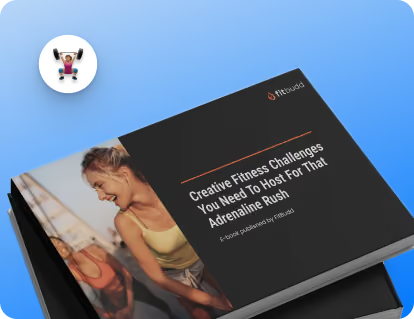
Creative Fitness Challenges Ebook
Discover exciting challenges to boost your workouts and keep your fitness journey thrilling.
Download Now
Templates
These functional templates have the power to make any fitness trainer's life easier.
Subscribe To
Our Blog